“A hat has to have life. You can’t sell a lifeless hat.”
“My thumb stays like this now.”
Tadayoshi Moriyasu holds up his hand. His thumb no longer bends the way it used to.
He is 84.
He has been making hats for almost 50 years.
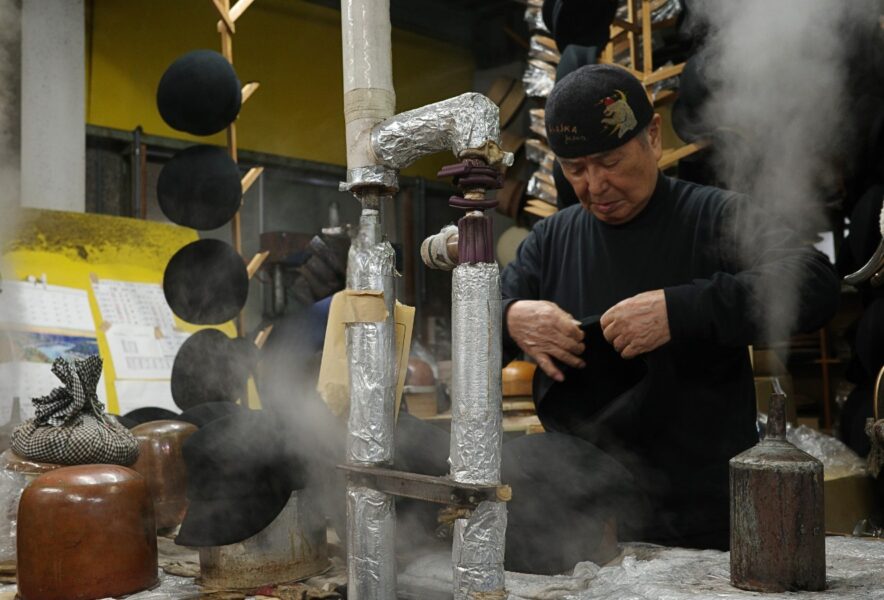
Moriyasu continues the work of Hijikata Eiichi Shoten, founded in Nagoya in 1950. The workshop is now run as Moriyasu Co., Ltd., but much of the work is still done by hand.
Around the workshop are hats, wooden blocks and materials from past commissions.
“This is the hat from that time.”
“These are the materials from this order.”
Moriyasu remembers each one.
Decades of work remain here, not as a collection, but as part of the everyday workshop.
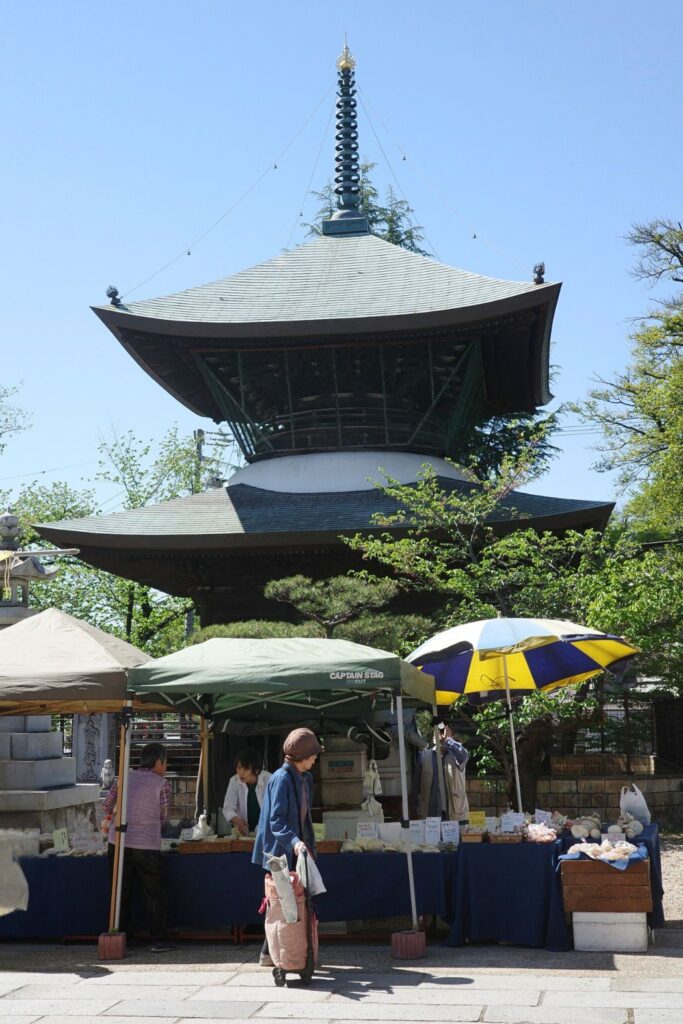
Kotonoha records the people, places and everyday life of Nagoya through words and photographs.
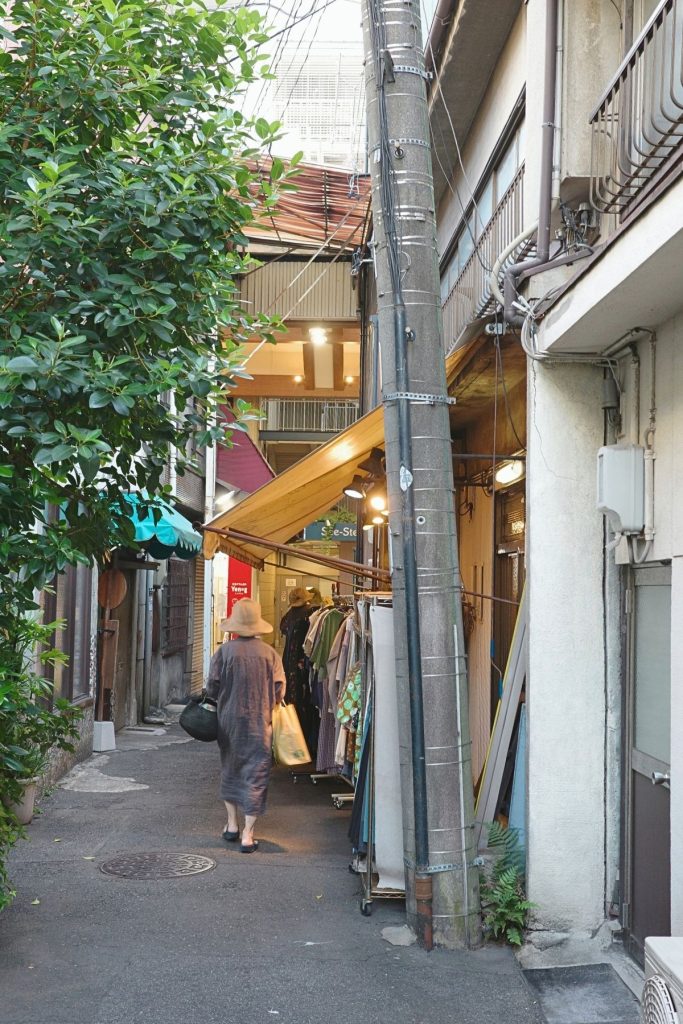
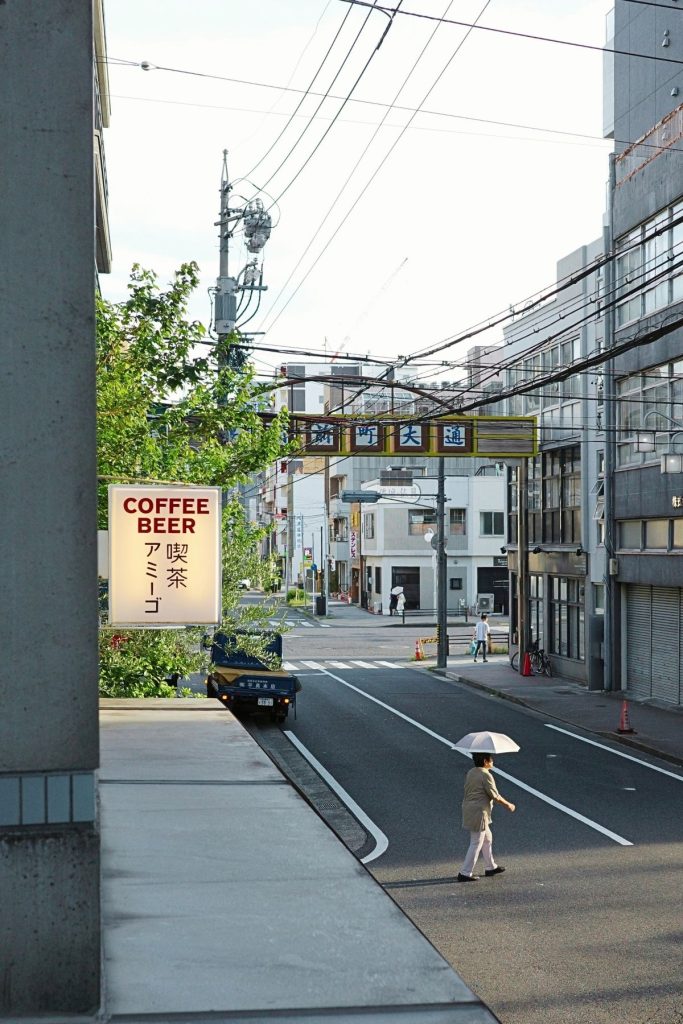
On a quiet street between Rokubancho and Hibino stations in Atsuta is a small hat workshop.
Moriyasu Tadayoshi has spent much of his life here.
He was not originally a hat maker. He worked for a textile trading company, and entered the family business after marrying Tomoko, whose family ran the workshop.
He was 36.
Since then, he has continued making hats by hand, responding to requests that often require small adjustments in shape, material and finish.
Even as mass production became standard, that way of working remained.
An Unexpected Start
Moriyasu was born in Dalian, Manchuria, and came to Japan with his family after the war.
After returning to Japan, the family spent time in Nagano and Nagoya. His early working years took him to Osaka, where he helped with telephone line installation through his father’s work.
He later moved to Tokyo and joined a textile manufacturer and trading company. Working in sales, he travelled around Japan dealing with materials used in yarn production.
When he became responsible for the Nagoya area, one of his clients was Hijikata Eiichi Shoten.
It was also the family business of Tomoko, his future wife.
They married and lived in Tokyo for several years.
Then, when Moriyasu was 36, her family asked him to join the business.
“They asked me if I’d do it. I thought it was a connection that had come my way, so I said yes.”